Dinner at 6:40 on a Tuesday is not the moment to be creative. That is the whole premise behind freezer meal prep, and the reason it works: you do the thinking and the chopping on a Sunday afternoon when you have energy, and on Wednesday you just heat something up. Not a sad reheated version of last night's dinner. Something you actually want to eat.
You don't need a chest freezer, a spreadsheet, or a twelve-hour marathon. Three recipes, a few hours, and a handful of containers will cover a stretch of weeknights. Here's how to do it without ending up with forty identical portions of chili.
New freezer cooks almost always overbuy. They pick eight recipes, cook all day, and burn out before the labels are written. Do the math instead: one recipe that makes six servings gives you two weeknight dinners for a household of three. Three such recipes is eighteen servings — a month of backup dinners if you pull one out a week.
Choose recipes with these traits:
Skip or adjust: fried anything, which goes limp; delicate pasta unless you undercook it and plan to bake it; and cream sauces built on milk or half-and-half, which can separate. Use a starch-thickened base instead, or stir cream in after reheating. Regular potatoes turn grainy in soups and stews — waxy potatoes, sweet potatoes, and beans hold up far better.
Portion by the meal, not by the pot. For two people, that means two-serving containers. For a family of four, four. Single portions are handy for lunches but waste container space at dinner.
Freezer bags are the workhorse for anything saucy or flat. Fill, press out the air, seal, then lay flat on a sheet pan and freeze solid before stacking. They store like files and thaw in a fraction of the time. For casseroles and gratins, line the pan with foil or parchment, freeze the whole thing, then lift the block out and wrap it — that way your baking dish stays in the kitchen.
A quick word on containers: glass works well at home but needs headspace for expansion, about an inch for liquids. Plastic quart and pint deli containers stack neatly and seal reliably. Label with masking tape and a marker if you don't keep real labels on hand.
If you're ever unsure whether something is still good, throw it out. For storage-time questions specific to your situation, your local food safety authority or a university extension service is a better source than any recipe blog.
Most freezer meals fail at the finish line, not in the freezer.
Reheat until everything is steaming hot all the way through. For baked pasta and casseroles, cover with foil for the first two-thirds of the cooking time, then uncover to crisp the top. Finish with something fresh so the meal doesn't announce that it came from a freezer: a squeeze of lemon, chopped herbs, grated parmesan, a handful of arugula, hot sauce, or toasted breadcrumbs.
If you'd rather ease in, try this. Brown two pounds of ground beef with onion and divide it — half becomes a quick ragù, half gets taco seasoning. Simmer a pot of bean and vegetable soup. Bake a tray of meatballs. Cool everything, portion into two-serving containers, label, and freeze flat. That's roughly eight to ten weeknight servings from about two hours of work, using one pot, one skillet, and one sheet tray.
Repeat next month with three different recipes, and rotate through a short list of reliable meals. Your freezer stops being a graveyard of forgotten containers and starts being the reason Tuesday is easy.
Photo: Couleur / Pixabay
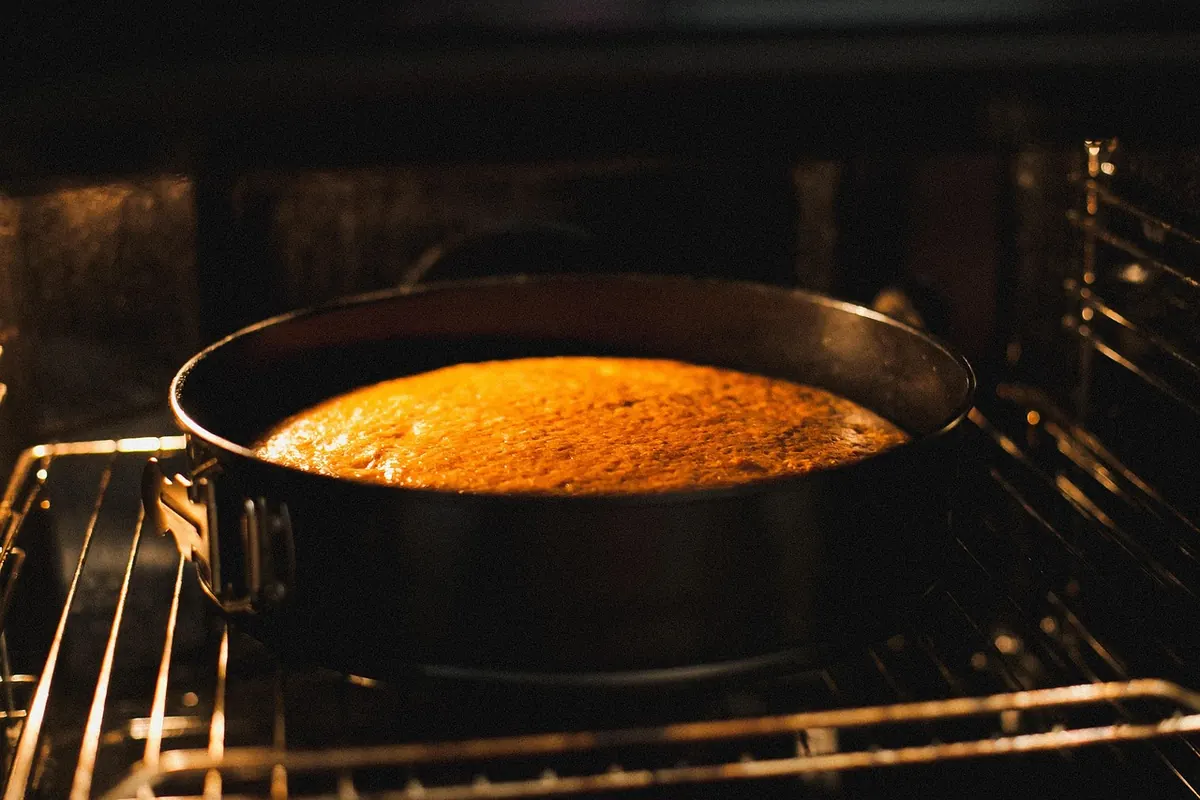
Oven hot spots, miscalibration, dark pans, and rack position explain most cakes that burn at the edges while staying...
Keep parsley, cilantro, basil and other fresh herbs usable for weeks with simple fridge, counter and freezer...
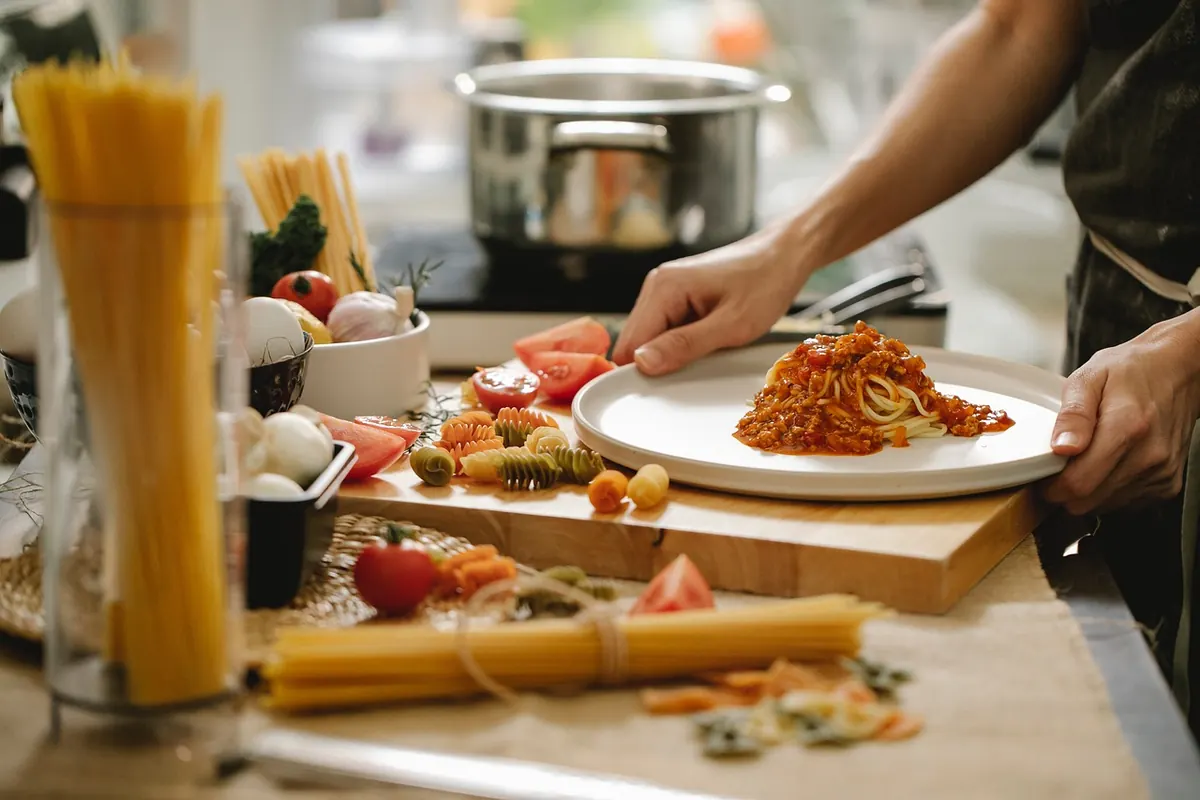
Seven weeknight dinners built on five ingredients or fewer — from lemon sheet-pan chicken to black bean quesadillas...

Fresh recipes and kitchen inspiration for everyday cooking.
