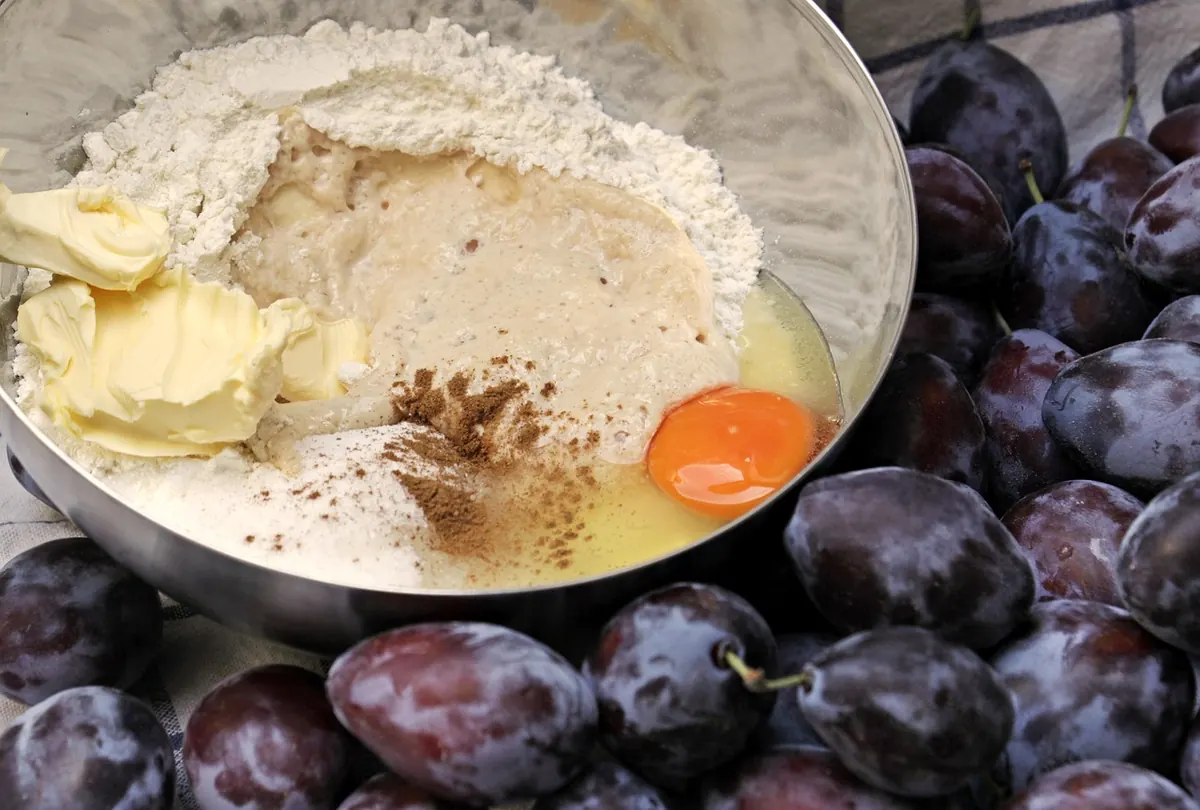
You followed the recipe. You measured everything. You waited by the oven like it owed you money. And still the cookies fused into one giant slab, or the muffins came out with tops that look like mountain peaks and insides that taste like sawdust. Baking is less forgiving than stovetop cooking because it's chemistry: fat, liquid, flour, and heat all react in ways you can't taste and correct at the end. The good news is that most beginner failures trace back to a handful of repeat habits, and every one of them has a simple fix.
This is the quietest mistake in baking, because it doesn't look like a mistake. Dip a measuring cup into the flour bin, drag it up, and level it off with a knife, and you've just packed in far more flour than the recipe intended. Flour settles as it sits, and a scoop compresses it further. Extra flour means a dry, dense, crumbly result, which is why two people can bake the same recipe and get completely different cakes.
The fix takes four seconds: fluff the flour with a spoon, spoon it into your dry measuring cup until it's heaped, then sweep the excess off with a straight edge. Better yet, weigh it. A cup of all-purpose flour is generally around 120 to 125 grams, so a scale removes the guesswork entirely and lets you measure straight into the bowl.
A few related habits worth correcting:
Stirring develops gluten, the protein network that gives bread its chew. That's wonderful in a loaf and terrible in a muffin. Once flour meets liquid, every extra stroke makes the final texture tougher, so the instruction "mix until just combined" is not a suggestion.
For muffins, pancakes, and quick breads, stir with a spatula or wooden spoon until the dry streaks disappear. A few small lumps are fine; they'll hydrate in the oven. For cookies, cream the butter and sugar thoroughly, but once the flour goes in, mix on low only until it disappears, then stop and scrape the bowl by hand. For cakes, follow the recipe's timing but watch the batter rather than the clock, and scrape down the sides so nothing gets left behind.
Bread is the opposite case. There, kneading is the point, and under-kneaded dough won't hold its shape. The distinction is worth remembering: mix gently for tenderness, work firmly for structure.
Home ovens drift. The dial says 350°F; the real temperature might be 325°F or 375°F, and many run hotter at the back than the front. If your bakes consistently brown too fast on the edges or stay pale in the middle, the oven is the first suspect, not the recipe.
Put a cheap oven thermometer on the middle rack and check it before you commit a cake to the heat. Preheat for a full 15 to 20 minutes, not just until the signal chimes. Bake in the center of the oven, leave space between pans so air can circulate, and rotate the pan once about two-thirds of the way through. Every time you open the door, you dump heat, so peek quickly and close it again.
Dark metal and nonstick pans absorb heat and brown faster than shiny aluminum. If your cookies scorch on the bottom, either switch to a light-colored sheet pan or drop the temperature by about 25°F (15°C) and add a couple of minutes. Baking sheets lined with parchment are the easiest place to start because they forgive small timing errors.
When a recipe says room temperature, it means it. Cold butter won't cream with sugar, so your cake ends up flat and greasy instead of light. Cold eggs can seize a batter and make it look curdled. Set butter out 30 to 60 minutes ahead, or grate it and let it soften in a few minutes. For eggs, place them in a bowl of warm (not hot) water for about 15 minutes.
Leaveners have a shelf life. Baking soda and baking powder lose potency over months, especially in a humid kitchen. If a cake rises poorly and tastes flat, test before you blame yourself: a spoonful of baking soda should fizz enthusiastically in vinegar, and baking powder should bubble in hot water. Replace what fails and write the opening date on the new can.
Pan size is structural, not cosmetic. Moving a batter from an 8-inch round to a 9-inch round spreads it thinner, so it bakes faster and dries out; going smaller makes it deeper and prone to a raw center. If you have to substitute, match the pan's total volume as closely as you can and start checking for doneness earlier than the recipe suggests.
Prep matters just as much. Grease corners and edges, not just the middle. Use parchment slings for brownies and delicate cakes so you can lift them out cleanly. Fill pans about halfway to two-thirds full; more than that and the batter climbs over the sides before it sets. And if a recipe calls for flouring the pan after greasing, don't skip it, especially for chocolate cakes that love to stick.
Almost every "why did this fail?" question ends here. Cookies scooped onto a warm sheet spread into puddles. Cake cut while hot tears and turns gummy. Bread sliced too soon steams inside and collapses into a dense crumb.
Cookie dough benefits from 30 minutes in the fridge and improves overnight: the butter firms up and the flour fully hydrates, which limits spread and deepens flavor. Cakes need 10 to 15 minutes in the pan to firm up, then a wire rack to cool completely before frosting. Bread should cool fully before you cut it, even though it's the hardest wait in the kitchen. Brownies cut cleanly only after they've cooled to room temperature.
Run through this before the oven preheats, and most of the failures above simply won't happen.
Keep a pencil near your recipe book and jot down what you changed and what happened: "rotated at 15 minutes, edges still dark." That running record is worth more than any tip, because it teaches you how your kitchen behaves. Baking gets easier fast once you stop guessing and start noticing.
Photo: NoName_13 / Pixabay
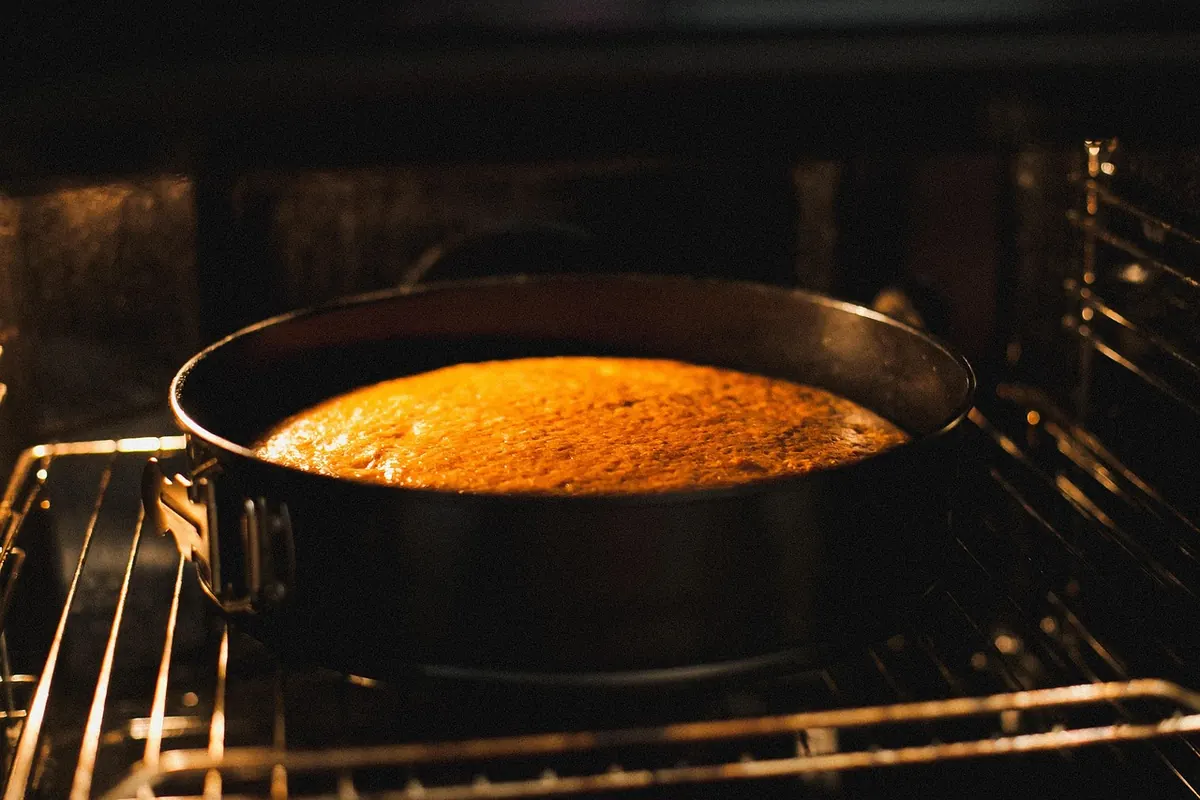
Oven hot spots, miscalibration, dark pans, and rack position explain most cakes that burn at the edges while staying...
A practical freezer meal prep plan: pick three recipes, batch-cook in stages, portion by meal, and thaw and reheat...

Keep parsley, cilantro, basil and other fresh herbs usable for weeks with simple fridge, counter and freezer...

Fresh recipes and kitchen inspiration for everyday cooking.
