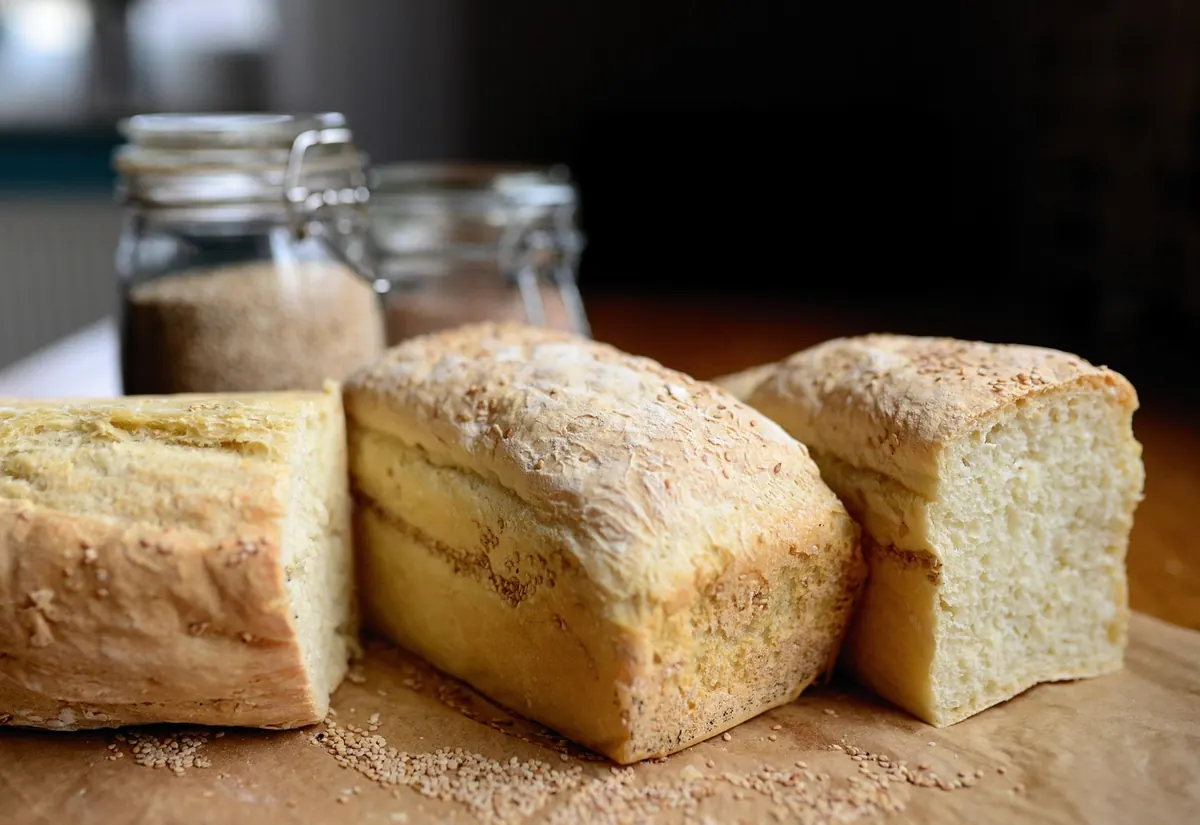
A weeknight pantry is not a shrine to ambitious cooking. It is a small, opinionated set of ingredients that can turn a bag of pasta, a few eggs, or a lonely chicken breast into dinner before anyone gets cranky. The real test is simple: at 6:15 on a Tuesday, can you open the cabinet and see three meals?
People who cook well on weeknights are not necessarily more organized than you are. They keep the same fifteen things in the same places and reach for them without thinking. Here is what to keep, how to store it, and how to stop the whole shelf from turning into clutter.
The mistake most of us make is shopping recipe by recipe. We buy a jar of something for one dish, use two spoonfuls, and find it a year later behind the flour. A better filter: does this ingredient work in at least three meals, across at least two cuisines?
Canned tomatoes pass that test easily. They become a garlicky pasta sauce, a quick shakshuka, a pot of beans, or the base of a curry. Soy sauce does the same work for stir-fries, marinades, noodle bowls, and roasted vegetables. When you buy for range, you stop cooking from a shopping list and start cooking from what is already there.
If you have room, six more earn their shelf space: Dijon mustard, honey, tahini, a hard grating cheese, frozen peas, and a jar of olives or capers. None are essential. All of them make a plain dinner taste deliberate.
An overloaded pantry is worse than a sparse one, because you cannot see what you own. A few habits keep things findable and fresh.
Keep a running list stuck to the fridge door and add to it the moment something runs out, not when you are standing in the store trying to remember. Before you shop, cook from the pantry first: that half bag of rice and a can of chickpeas probably already make dinner.
Restock when a container is half empty rather than empty, so you are never one ingredient away from a plan falling apart. And follow a rough one-in, one-out rule. If you buy a third vinegar, finish one first. The shelf stays honest that way.
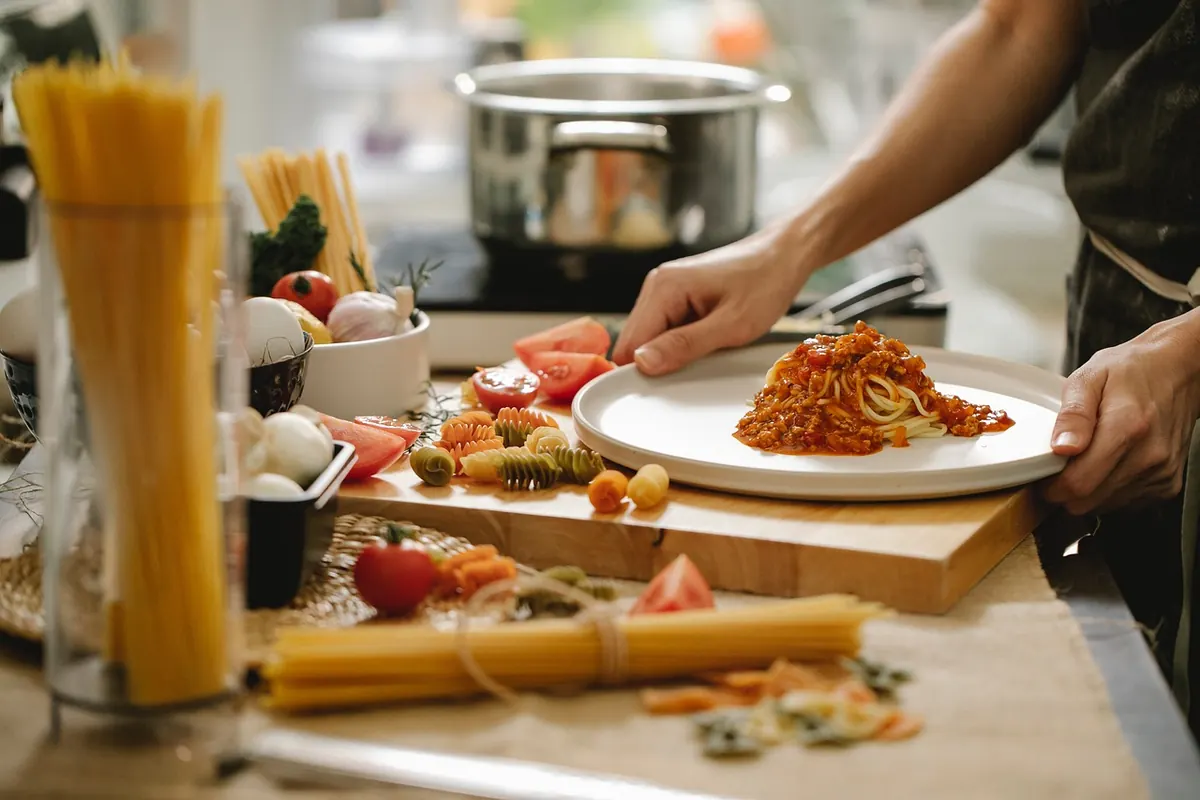
Pasta with crushed tomatoes, sliced garlic, olive oil, and chili flakes, finished with a splash of pasta water and whatever cheese you have. Beans simmered with coconut milk, cumin, and onion, spooned over rice. Chickpeas and tuna tossed with sliced onion, vinegar, olive oil, and salt, eaten with bread or folded into lettuce.
None of these need a recipe. They need a pantry you can read at a glance.
Do not buy all fifteen at once. Pick the five you would genuinely cook with in the next seven days, put them where you can see them, and make two or three dinners from them. Next week, add two more. Within a month you will have a shelf that reflects how you actually eat, which is the only pantry worth having.
One last tip: when something runs out twice in a row, it belongs on your core list. That is your real pantry, and it will keep dinner moving long after the novelty of a big shopping trip wears off.
Photo: congerdesign / Pixabay
Oven hot spots, miscalibration, dark pans, and rack position explain most cakes that burn at the edges while staying...
A practical freezer meal prep plan: pick three recipes, batch-cook in stages, portion by meal, and thaw and reheat...
Keep parsley, cilantro, basil and other fresh herbs usable for weeks with simple fridge, counter and freezer...

Fresh recipes and kitchen inspiration for everyday cooking.
