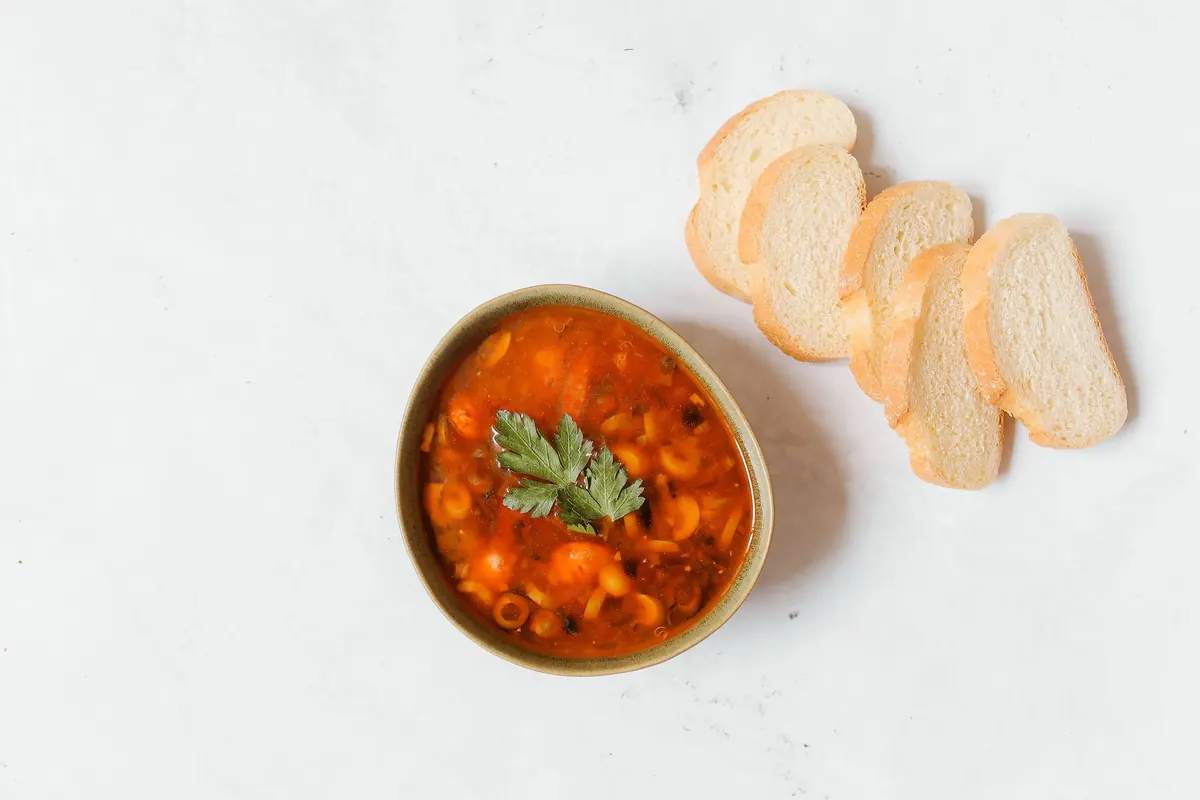
Ask ten cooks whether a slow cooker or a Dutch oven makes better beef stew and you'll get a split vote. Both vessels can turn tough chuck and root vegetables into something worth a second bowl. They just get there on different paths — one browns, reduces, and concentrates; the other seals, holds, and waits. Knowing what each one does to your food makes the choice obvious on any given night.
A Dutch oven is a heavy pot, usually enameled cast iron, with a tight-fitting lid. It works on the stovetop and in the oven, and that's the whole point. You can sear meat hard, soften onions in the rendered fat, deglaze the browned bits with wine, then slide the pot into a 325°F oven for two hours. Cast iron holds heat like a brick and releases it slowly and evenly.
The lid traps most steam, but not all of it. A little moisture escapes around the rim, so liquid reduces as it cooks. That's a feature, not a flaw.
A slow cooker is a ceramic or nonstick insert sitting in a heated housing. The element wraps around the sides. On low it holds a bare simmer; on high it creeps toward a gentle boil. The lid seals tightly enough that almost nothing evaporates.
Nothing browns in a slow cooker. Food never gets hot enough to develop a crust, and that single fact drives most of the flavor difference between the two.
Browning is flavor. When meat, onions, tomato paste, or mushrooms hit a hot pan, they develop the roasted, savory notes that make a stew taste like it simmered all day. Do that in a Dutch oven and the browned bits stick to the bottom. Pour in a splash of stock and scrape them up — that fond dissolves into your broth and does more for the final bowl than any spice blend.
The slow cooker skips that step. Drop raw meat and vegetables in with liquid and you get a clean, mild, steam-cooked result. Not bad, just flatter.
Evaporation matters too. A Dutch oven's liquid concentrates over a few hours, so the broth thickens and intensifies on its own. A slow cooker keeps every drop you put in, which is why the same recipe can taste watery. The fix is simple: cut the liquid by about a quarter to a third compared to a stovetop version. Start with less than you think you need. You can always thin a stew at the end, but concentrating it is much harder.
One note on alcohol: wine and beer don't cook off the same way in a sealed slow cooker as they do in an open pot. If you want the flavor without the sharp edge, simmer the wine down in a skillet first, then add it.
The Dutch oven asks for 20 to 30 minutes of active work up front — browning in batches, stirring, deglazing — then leaves you mostly alone while it braises for one to three hours. You can taste and adjust as it goes. A simple soup like minestrone or chicken noodle is done in 45 minutes, start to finish.
The slow cooker asks for 10 to 15 minutes of chopping and dumping, then four to eight hours of your absence. No stirring, no checking, no decisions. That's the real advantage: you can leave the house.
The catch is that you need to be around at hour eight, not hour eleven. Vegetables collapse, beans blow past tender into grainy, and herbs go dark and bitter. If your workday runs long, look for a model with a warm setting, or choose a recipe written for the longer end of the range.
Slow cookers are sold by insert size, but you can't fill them to the top. Leave the insert no more than two-thirds to three-quarters full, so a 6-quart cooker holds roughly 4 to 5 quarts of soup. Dutch ovens are measured by true volume and you can fill them nearly to the rim, which means a 6-quart Dutch oven and a 6-quart slow cooker are not the same amount of dinner.
Shape matters just as much. A wide, shallow Dutch oven gives you surface area — what you need for browning meat in batches and reducing liquid. Slow cooker inserts are deep and narrow: great for holding heat, poor for anything that needs contact with a hot surface.
Most Dutch ovens move from stovetop to oven to broiler to table without complaint, and many are safe to 500°F. Check your manufacturer's guidance, especially for enameled pieces and their lid handles. Most slow cooker inserts are for the slow cooker only unless the maker rates them for stovetop or oven use.
This is the slow cooker's clearest win. The insert lifts out, most are dishwasher-safe, and the housing wipes clean with a damp
Photo: Polina Tankilevitch / Pexels
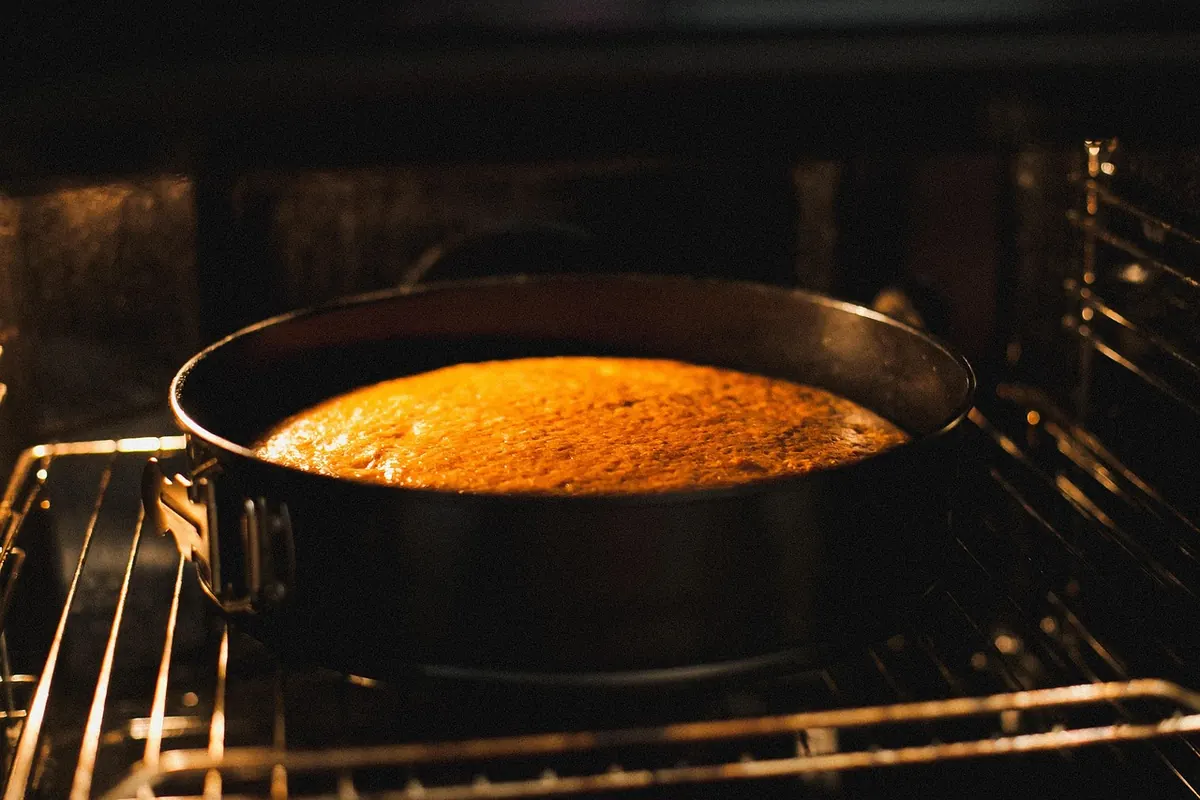
Oven hot spots, miscalibration, dark pans, and rack position explain most cakes that burn at the edges while staying...
A practical freezer meal prep plan: pick three recipes, batch-cook in stages, portion by meal, and thaw and reheat...
Keep parsley, cilantro, basil and other fresh herbs usable for weeks with simple fridge, counter and freezer...

Fresh recipes and kitchen inspiration for everyday cooking.
