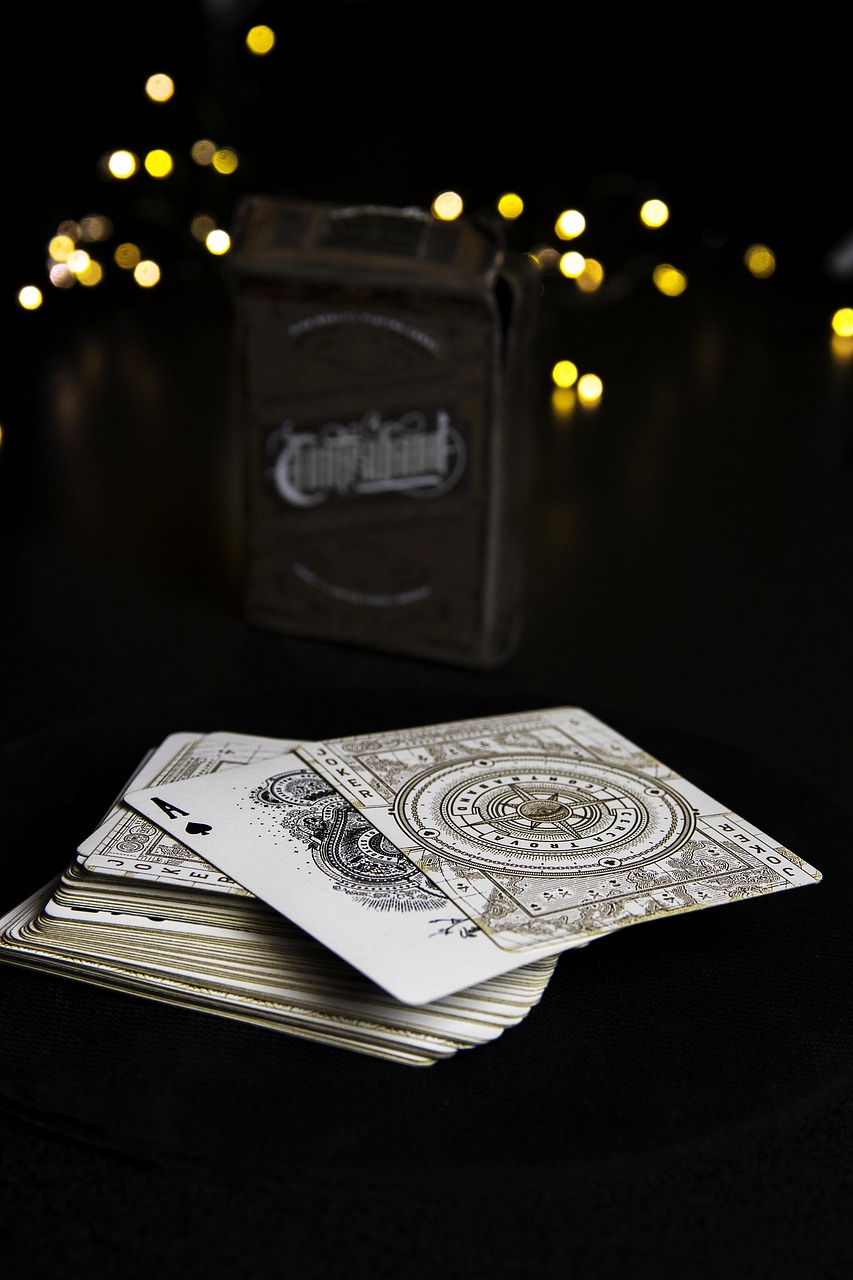
Ask ten people at a poker table what separates a winning player from a losing one and you'll get ten different answers. Ask the same question at a slots machine and you'll mostly get shrugs. That gap tells you almost everything about how the iGaming world actually works — and why so many players keep losing money they didn't need to lose. The uncomfortable truth is that a huge chunk of players never stop to ask a simple question before they hit "spin": is this game built on decisions or on chance? Understanding that distinction won't turn you into a millionaire, but it will keep you from throwing cash at games that were never designed to be beaten.
It's tempting to sort casino games into two buckets — luck or skill — but reality is messier. Think of it as a sliding scale. On the far left you have pure chance games with zero player input beyond pressing a button. On the far right you have games where long-term outcomes are almost entirely determined by decision quality. Most of what you'll find online sits somewhere in between, and knowing where each game lands is the single most useful piece of knowledge a player can carry.
The practical takeaway: if you want entertainment with a small, fixed cost per hour, chance games are fine. If you want a shot at long-term profit, you need to be in the skill end of the pool. Anything in between is where people get fooled.
Slots are the most profitable product in iGaming for a reason — they're engineered to be. Modern video slots run on RNGs (random number generators) that produce thousands of outcomes per second, and their return-to-player (RTP) is baked into the math. A typical online slot has an RTP somewhere between 94% and 97%, which means for every $100 wagered, the machine is theoretically keeping $3 to $6 over a very long run. In practice, volatility makes that number feel very different hour to hour. For a closer look, dana slot has helpful details.
Here's the part casual players miss: two slots with identical RTP can deliver wildly different experiences. A 96% low-volatility slot will grind out small wins often. A 96% high-volatility slot can eat 300 spins and then pay a thousand times your stake. Neither is "better" — but your bankroll strategy has to match the volatility, or you'll bust before the math has time to work in your favor.
Three quick adjustments that actually matter at the slot level:
Blackjack is the classic "skill-in-a-chance-wrapper" game. With perfect basic strategy, you can push the house edge down to roughly 0.5% on a good ruleset (dealer stands on soft 17, double after split allowed, blackjack pays 3:2). Play hunches instead, and that same table can swing to a 2% house edge or worse. The difference over a few hundred hands is enormous.
Video poker is even sharper. Jacks or Better with a full 9/6 paytable (9 coins for a full house, 6 for a flush) returns around 99.5% with optimal play — one of the best deals in the building. But play 8/5 or 7/5 at the same machine, or mistime your holds, and that edge evaporates. Two players at the same bar can be playing the identical game and one is losing twice as fast as the other. Skill isn't optional here; it's the whole point.
If blackjack is a skill layer, poker is a skill ocean. You're not playing the house — you're playing other people, and the house just takes a rake. This is the one game in the casino where a patient, disciplined player can genuinely extract money over thousands of hands. The internet made this harder (everyone has solvers now) but also more accessible than ever.
What actually separates winning poker players from losing ones, beyond the obvious math?
Sports betting sits in a similar camp, but with a wrinkle: the bookmaker edge (the vig) means you need to be right roughly 52.4% of the time on even-money bets just to break even. That's a real number you can measure. If you're not tracking your picks, you don't actually know if you're a winner or a slow loser.
Here's the honest truth nobody in the industry wants to state too loudly: the house is supposed to win in chance games. That's the business model. Your job as a player isn't to defeat the math — it's to understand it, choose your battles, and only put money on the table where you have a real edge or where the entertainment value is honestly worth the cost.
When you sit down, ask yourself two questions. First: am I here to be entertained, and have I set a loss limit I'm genuinely okay with? Second: if I'm here to win, do I actually have an edge in this game — and can I prove it with a track record? The people who lose the most money in iGaming aren't the unlucky ones. They're the ones who confuse the two questions and treat a slot machine like a poker table.
Know your game. Respect the math. And if the edge isn't yours, don't pretend it is — that single habit is worth more than any betting system ever sold.
There is a moment every gambler knows. It's not the spin of the roulette wheel or the turn of a river card. It's the...
Oven hot spots, miscalibration, dark pans, and rack position explain most cakes that burn at the edges while staying...
A practical freezer meal prep plan: pick three recipes, batch-cook in stages, portion by meal, and thaw and reheat...

Fresh recipes and kitchen inspiration for everyday cooking.
