
A recipe is a set of directions written by someone who already knows how the dish behaves. That is the gap you feel the first time you cook from one: the writer says "cook until done," and you are left staring into the pan, hoping you will recognize done when you see it. The encouraging part is that recipe language is a small, learnable vocabulary. Timing, doneness cues, and swaps that seem mysterious become fairly obvious once someone explains what they mean.
Read the recipe from top to bottom first. Not a skim — an actual read. This one habit is what separates a calm hour of cooking from a frantic one where something scorches while you dig through the pantry for baking powder.
As you read, notice four things:
While you are there, count your bowls and pans. It sounds fussy. It saves a sink full of dishes and a lot of swearing.
Professionals call it mise en place — everything in its place. Home cooks can call it the reason dinner does not taste burnt.
Once a pan is hot, you have seconds to react, not minutes. If the garlic is still in the fridge when the onions are already golden, the garlic either goes in late or goes in burnt. So chop, measure, and open cans before anything hits the stove. Group ingredients by the step where they are used, especially in recipes with a long list.
Pay attention to the state of your ingredients, too. "Room temperature butter" and "cold butter" behave nothing alike. Softened cream cheese needs a good half hour on the counter. Cold eggs break chilled batters. If a recipe specifies a temperature, it usually has a reason.
Most confusion comes from words that sound interchangeable but are not.
Recipe times assume a particular stove, pan, oven, and starting temperature. Yours are different. So treat every time as a rough marker for when to start paying attention, not a countdown to follow blindly.
Four things throw timing off more than anything else:
Practical rule: start checking a few minutes before the stated time, and never walk away during the last stretch.
Recipes give times because they cannot see your food. You can.
Use your senses. A cake is close when it smells like cake and the edges pull slightly from the pan; a tester or toothpick should come out with a few moist crumbs, not wet batter. Pasta is done when it still has a faint bite at the center — pull a piece and chew it. Vegetables are done when a knife slides in with mild resistance, not a crunch or a collapse. Chicken is safe when the juices run clear and there is no pink at the center; an instant-read thermometer should read 165°F at the thickest part.
If you learn one habit from this page, make it tasting as you go. Salt, acid, and seasoning are almost always adjustable at the end. Burnt is not.
Cooking is forgiving; baking is less so. In a soup or a sauté, swapping shallots for onions or chicken broth for vegetable broth changes the flavor but rarely ruins the dish. In a cake or bread, the ratios are structural, and a careless swap can flatten it.
Baking soda and baking powder are not the same thing, and swapping them will flatten or bitter your bake. Do not replace butter with oil in laminated dough, frosting, or anything that depends on creaming. Do not cut sugar in a cake by much — it holds moisture and structure, not just sweetness. And watch your salt: flaky sea salt, fine table salt, and kosher salt measure very differently by volume, so if you switch types, start light and taste.
If you are cooking around a food allergy or a medical diet, check with a doctor or dietitian before relying on a swap. Recipes are flexible; your health plan may not be.
The first time you cook a recipe, follow it. Follow it even where you disagree. You need a baseline before you can improve anything.
The second time, write notes in the margin. "Needed more salt." "Pan too small." "Oven runs hot — check at 20 minutes." "Double the sauce." After three or four rounds, that stained page is no longer someone else's recipe. It is yours, and you will not need to read it as carefully anymore because you already know how the dish behaves.
Photo: jessebridgewater / Pixabay
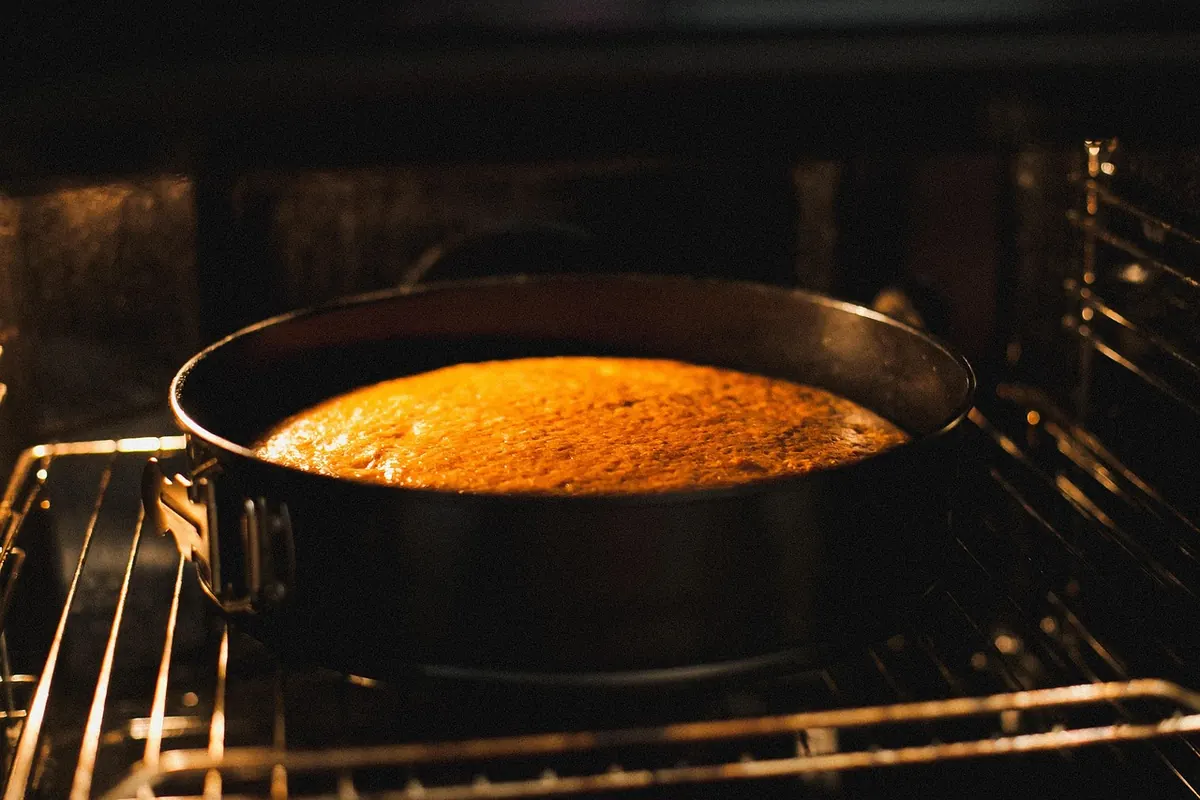
Oven hot spots, miscalibration, dark pans, and rack position explain most cakes that burn at the edges while staying...
A practical freezer meal prep plan: pick three recipes, batch-cook in stages, portion by meal, and thaw and reheat...
Keep parsley, cilantro, basil and other fresh herbs usable for weeks with simple fridge, counter and freezer...
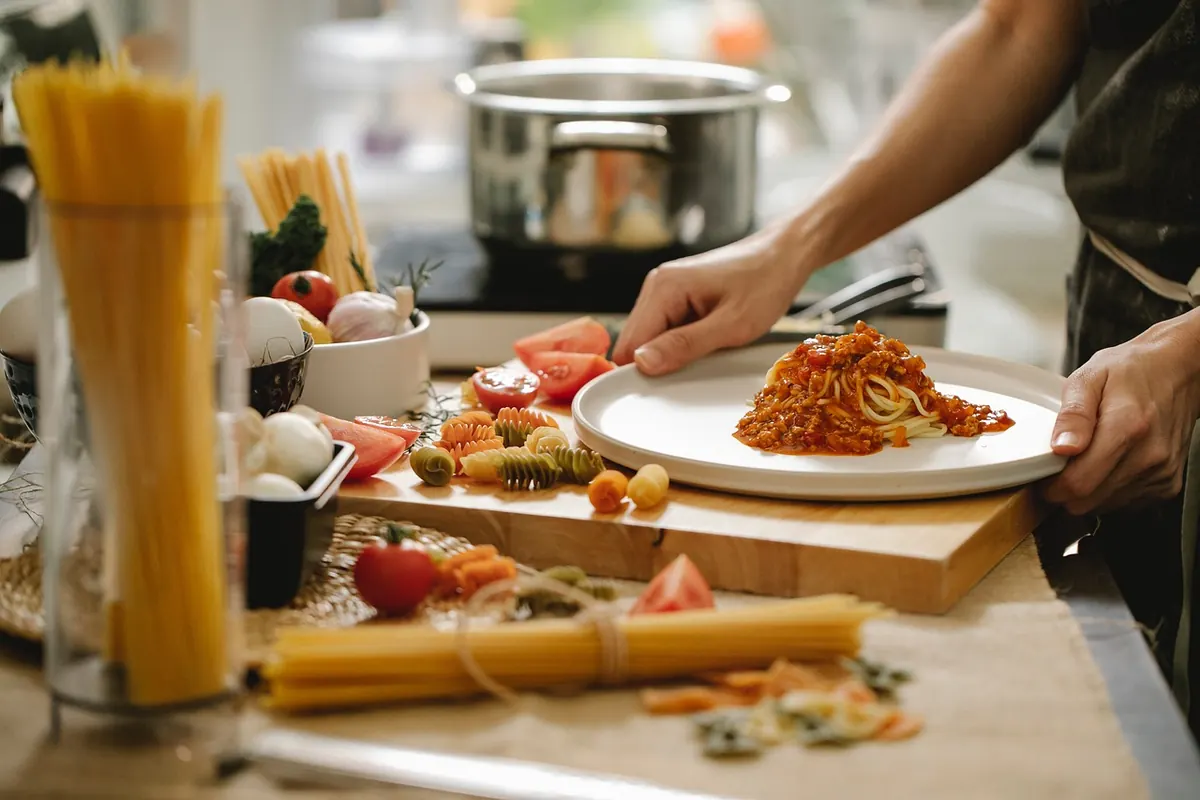

Fresh recipes and kitchen inspiration for everyday cooking.
